Hard training can leave your legs feeling heavy, tight, and slow to recover. The best compression boots for runners use sequential air pressure to support post-run circulation and relaxation at home.
We compared 10 popular recovery systems across fit, pressure control, portability, coverage, and useful extras so you can choose a pair that matches your mileage, routine, and budget.
Best 10 Compression Boots for Runners Picks for 2026
Professional Pick
QUINEAR QN-071A Leg Recovery Boots

- Four air chambers for foot, calf, and thigh coverage
- Eight intensities from 50–120 mmHg
- Pressure sensing with three massage modes
Best For: Runners wanting adjustable corded compression therapy
Cordless Upgrade
FIT KING FT-115A Recovery Boots
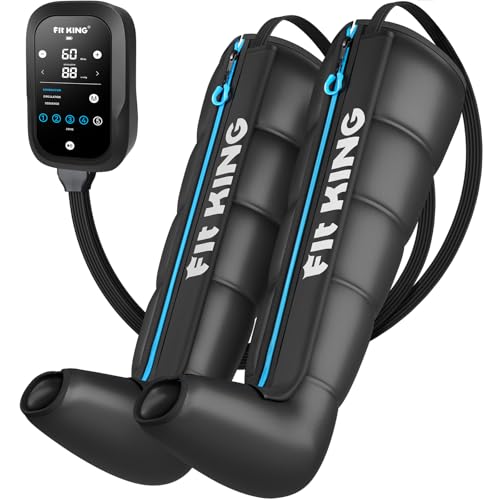
- Cordless battery supports 3–4 hours of use
- Five-zone control for targeted or full-leg sessions
- 11 pressures and 10 timer settings
Best For: Runners needing portable, customizable recovery
Adaptive Full-Leg Value
MUSUGY 5-Chamber Compression Boots

- Five chambers include foot, calves, knees, and thighs
- Six modes with nine pressures from 40–120 mmHg
- Pressure sensor helps balance compression
Best For: Runners wanting broad coverage and varied programs
Portable Everyday Pick
QUINEAR QN-090A Cordless Boots

- Cordless use with approximately 2–4 hours of runtime
- 12 pressure levels from 40–150 mmHg
- Three sizes and four targeted compression zones
Best For: Runners wanting portable, adjustable everyday recovery
Best All-Around Coverage
K-705 Full-Leg Compression Boots

- Seven air bags cover the full leg
- Six modes and three pressure levels
- Sensors, LCD remote, timer, and carry bag
Best For: Runners wanting broad coverage and simple customization
Best for Customizable Recovery

- Eight pressure intensities and three timers
- Four independent full-leg air channels
- Sensor control and faster, quieter inflation
Best For: Runners who prioritize detailed pressure adjustment
Best with Heat
FE-7204B Heated Compression Massager

- Heat zones cover knees, calves, and soles
- Twelve intensities, six modes, and three timers
- LCD memory controller and storage bag included
Best For: Runners who want warmth with adjustable compression
Full-Leg Customizer
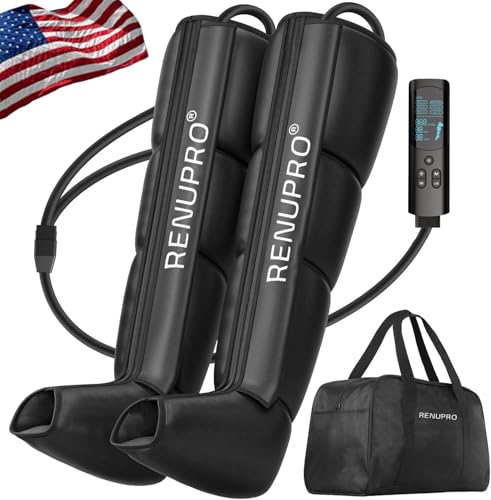
- Covers feet, calves, knees, and thighs
- Six modes and nine intensity levels
- 24-month warranty
Best For: Runners seeking highly adjustable full-leg compression
Wireless Athlete Pick

- Up to four hours of battery life
- Four sequential zones from foot to thigh
- Includes travel bag
Best For: Runners wanting portable, cordless recovery
Simple Lower-Leg Option

- Targets feet and lower legs
- Three modes and three intensity levels
- Sensor-adjusted inflation
Best For: Runners wanting straightforward lower-leg compression
Professional Pick – QUINEAR QN-071A Leg Recovery Boots
If you want straightforward compression boots for runners, the QUINEAR QN-071A combines four air chambers with sequential compression and pressure sensing. Its corded controller offers eight intensity levels, three modes, and three timer options for post-run recovery at home or in the gym.
Best For: Runners and athletes who want adjustable, full-leg compression with a corded control unit.
Pros:
- Four air chambers cover the foot, calf, and thigh.
- Eight intensity levels range from 50–120 mmHg.
- Built-in pressure sensing adapts compression to leg size.
- Includes a carry bag and a 24-month worry-free commitment.
Cons:
- The corded design is less convenient for travel or use away from an outlet.
- Only three timer choices are available: 20, 25, or 30 minutes.
This is a practical choice if you prioritize adjustable sequential therapy and simple controls over cordless portability. Its four-zone layout and included carry bag make it suitable for regular post-workout sessions.
Cordless Upgrade – FIT KING FT-115A Recovery Boots
For runners who need recovery beyond the living room, the FIT KING FT-115A stands out among compression boots for runners with its rechargeable, cordless design. It uses five air chambers, 11 pressure levels, and independent zone controls to customize full-leg or targeted sessions.
Best For: Athletes and runners who want portable, highly adjustable compression at home, in the gym, or while traveling.
Pros:
- Rechargeable 2500mAh battery provides approximately 3–4 hours of use.
- Five-zone control supports foot, calf, thigh, full-leg, or single-zone sessions.
- Offers 11 pressure levels from 50–150 mmHg and 10 timer settings.
- Includes a carry bag and a two-year warranty.
Cons:
- At 4.5 kg, it is heavier than the other listed QUINEAR cordless system.
- The extensive zone and timing controls may take longer to configure.
The FT-115A is the most flexible option here for runners who want to target specific areas or use their boots away from an outlet. Its battery, five-zone layout, and broad adjustment range make it a strong portable recovery system.
Adaptive Full-Leg Value – MUSUGY 5-Chamber Compression Boots
The MUSUGY full-leg system gives compression boots for runners a broad coverage pattern with five sequential air chambers, including dedicated knee coverage. Its pressure sensor, six modes, and three timers make it useful for runners who want both full-leg cycles and focused foot, calf, or thigh sessions.
Best For: Runners seeking five-chamber full-leg coverage and multiple targeted massage programs.
Pros:
- Five chambers cover the foot, calves, knees, and thighs.
- Nine pressure levels span 40–120 mmHg.
- Six modes include full-leg sequential and zone-specific programs.
- Reinforced nylon construction and double-stitched seams support regular use.
Cons:
- The listed fit is specific: at least a 36-inch inseam, with stated thigh and calf limits.
- The warranty is 12 months, shorter than the two-year coverage on some alternatives.
Choose this model if coverage around the knees and a wide selection of programs matter more than cordless operation. Confirm the stated measurements before buying, especially if your leg length or circumference falls near the limits.
Portable Everyday Pick – QUINEAR QN-090A Cordless Boots
The QUINEAR QN-090A is a convenient choice among compression boots for runners who want cordless sessions and a more personalized fit. It combines four-zone sequential compression with 12 pressure levels, three modes, and a 15–60-minute timer, and it is offered in three sizes.
Best For: Runners and fitness users who value cordless portability, size options, and detailed session control.
Pros:
- Rechargeable 2500mAh controller provides approximately 2–4 hours of use.
- Offers 12 pressure levels from 40–150 mmHg.
- Four-zone targeting covers the foot, lower calf, upper calf, and thigh.
- Three sizes and a travel bag support a more convenient fit and transport.
Cons:
- Battery runtime varies from approximately two to four hours.
- Four air chambers provide less zone coverage than the five-chamber alternatives.
This model balances portability and control well. Its three-size selection is especially useful for runners who want a more secure fit, while the wide pressure and timer ranges accommodate both shorter daily sessions and longer recovery routines.
Best All-Around Coverage – K-705 Full-Leg Compression Boots
For runners comparing compression boots for runners, the K-705 stands out for its 360° coverage and flexible massage programming. Seven air bags wrap the foot, ankle, calves, and thighs, while six modes and three pressure levels let you tailor sessions for post-workout relaxation or everyday tired legs.
Best For: Runners who want full-leg coverage, multiple massage modes, and a portable setup.
Pros:
- Seven air bags provide wrapped compression across the full leg.
- Six modes include targeted foot, calf, and thigh options.
- Smart fit sensors, an LCD remote, and a 20-minute auto shutoff simplify use.
- Carry bag and wide adjustable design support travel and varied leg sizes.
Cons:
- Only three pressure levels are available.
- The system is intended for corded-style home or outlet use based on the supplied design details.
The K-705 is a versatile choice when coverage and ease of adjustment matter more than highly granular intensity control. Its sequential and targeted options make it practical for post-run downtime.
Best for Customizable Recovery – FIT KING FT-082A Boots
The FIT KING FT-082A is a practical option among compression boots for runners who want more control over session intensity. Four independent air channels address the feet, calves, knees, and thighs, while eight pressure settings and three timer choices support a more tailored recovery routine.
Best For: Athletes and runners seeking adjustable pressure, faster inflation, and a full-leg recovery system.
Pros:
- Eight pressure intensities provide more adjustment than many basic systems.
- Four air chambers deliver sequential compression from feet through thighs.
- Sensor control adjusts inflation volume for different leg sizes.
- Large-capacity pump is designed for faster, quieter inflation and deflation.
Cons:
- The medium-size boot requires checking fit before purchase.
- It is not water resistant.
- The corded system is less flexible for use away from an outlet.
With its wide intensity range and sensor-assisted fit, the FT-082A is well suited to runners who want to fine-tune compression. Its two-year worry-free support adds reassurance for regular use.
Best with Heat – FE-7204B Heated Compression Massager
For runners who prefer warmth alongside air compression, the FE-7204B combines sequential leg compression with heated knee, calf, and foot zones. Six modes, 12 intensity levels, and three timer settings make it one of the more adjustable compression boots for runners, while the LCD controller remembers the last-used settings.
Best For: Runners who want heat, broad intensity control, and convenient post-run relaxation.
Pros:
- Twelve intensity levels offer fine-grained compression adjustment.
- Six heating zones cover the knees, calves, and soles, with four temperature choices.
- Six modes can target individual areas or the full leg.
- Memory-function LCD controller and storage bag improve convenience.
Cons:
- Heat is provided at the knee area without knee compression.
- The corded unit is not water resistant.
- Its 4.8-pound weight may be less convenient for frequent transport than lighter designs.
The FE-7204B is the strongest fit for runners who value heat as much as compression. Its 10-, 20-, and 30-minute timers and low-noise design make it suitable for structured recovery sessions at a desk or on a couch.
Full-Leg Customizer – RENUPRO Air Compression Boots
For runners comparing compression boots for runners, the RENUPRO stands out for full-leg coverage and extensive session control. Its overlapping air chambers cover the feet, calves, knees, and thighs, while nine strength levels and three timer settings make it easy to tailor recovery sessions.
Best For: Runners who want customizable, full-leg compression and do not need a wireless design.
Pros:
- Full-leg coverage from the feet through the thighs.
- Six modes, nine intensity levels, and 15-, 20-, or 25-minute timers.
- Smart pressure sensors and sequential overlapping air chambers support a controlled squeeze.
- Includes a 24-month warranty from a USA-owned brand.
Cons:
- Corded electric operation limits portability compared with battery-powered options.
- The standard fit is listed for a 29- to 34-inch inseam and thighs up to 30 inches around.
- It is not water resistant.
Choose this model if detailed settings and thigh-to-foot coverage matter more than wireless convenience. Its fit specifications are worth checking before purchase, especially for runners outside the stated size range.
Wireless Athlete Pick – Anaconda Compression Boots
The Anaconda is a practical choice for runners seeking compression boots for runners without staying tethered to an outlet. Its rechargeable battery supports up to four hours of use, while four sequential zones and targeted controls let you focus on the feet, calves, knees, thighs, or the full leg.
Best For: Athletes who prioritize wireless recovery at home, in the gym, or while traveling.
Pros:
- Wireless design with a rechargeable battery rated for up to four hours.
- Four sequential zones provide coverage from the foot to the thigh.
- Three modes include full-leg, massage, and targeted-zone operation.
- Comes with a portable travel bag and a simple controller with no app required.
Cons:
- Battery charging takes four hours.
- The listed warranty is one year.
- Only three modes are provided, with no separate intensity-level count specified in the supplied details.
This is the strongest fit for runners who want to move around during recovery or pack their boots for travel. The medium size and one-year warranty should be considered alongside the convenience of its wireless setup.
Simple Lower-Leg Option – CINCOM Compression Boots
For runners shopping for compression boots for runners on a simpler setup, the CINCOM focuses on feet-and-lower-leg coverage. Its sequential compression system offers three modes, three intensity levels, timed operation, and an intelligent sensor system designed to adjust inflation to the contours of the legs and feet.
Best For: Runners who want an easy-to-use corded system for foot and lower-leg recovery.
Pros:
- Provides 360-degree air compression for the feet and lower legs.
- Three modes and three intensity levels offer straightforward customization.
- Sensor technology adjusts inflation volume for different leg and foot contours.
- One-piece zipper design is intended to make the boots easier to put on.
Cons:
- Coverage is limited to the feet and legs rather than the thighs.
- Corded electric operation is less portable than a rechargeable design.
- The supplied notes describe relief and circulation benefits as temporary and for people in good health.
CINCOM makes sense when you want targeted lower-leg compression with uncomplicated controls. Runners looking for thigh coverage or cordless use should consider one of the alternatives instead.
How We Picked the Best Compression Boots for Runners
We focused on features that matter after easy runs, long runs, races, and demanding training blocks. The comparison considers leg coverage, compression-zone sequencing, intensity adjustment, timers, control layout, portability, and whether the system includes useful additions such as heat or cordless operation. Because comfort and fit directly affect results, we also considered available sizes and the way each boot accommodates the foot, calf, knee, and thigh.
These products are recovery tools, not medical devices. Anyone with circulation problems, a history of blood clots, unexplained leg pain, or another relevant medical condition should ask a healthcare professional before using pneumatic compression.
Quick Comparison
| Feature | Why It Matters | What to Look For |
|---|---|---|
| Coverage | Determines which areas receive compression | Foot-to-thigh coverage for full-leg recovery |
| Pressure control | Lets you match treatment to comfort and sensitivity | Multiple intensity levels and modes |
| Sequential zones | Creates a flowing compression pattern | Three or more independently timed zones |
| Portability | Makes consistent use easier | Cordless operation, compact controls, and rechargeable batteries |
| Fit | Improves comfort and even pressure | Correct size range with adjustable closures |
Key Buying Factors for Compression Boots for Runners
Fit and Leg Coverage
Measure your legs against the manufacturer’s sizing chart rather than choosing by shoe size alone. Full-leg boots are useful when you want coverage from the feet through the thighs, while shorter designs may be easier to store and put on. A secure fit should feel even without causing numbness, sharp discomfort, or excessive tightness.
Pressure Modes and Intensity
More settings are helpful when they provide meaningful control, but maximum pressure is not automatically better. Look for several intensity levels, sequential zones, and a timer so you can begin gently and adjust as needed. A simple controller is especially valuable when using the boots while relaxing.
Power, Portability, and Noise
Cordless models are convenient for travel, warm-ups, or moving around the house, but check battery runtime and charging requirements. Plug-in systems may be better for long sessions at a fixed location. Also consider pump noise, hose storage, and whether the boots can be packed without taking over a suitcase.
Heat and Comfort Features
Heated knee sections, padded interiors, wide closures, and washable or easy-clean materials can improve the experience. Heat is optional rather than essential, and runners who are sensitive to warmth should prioritize adjustable or non-heated designs.
Who Should Buy Which Compression Boots for Runners?
Frequent runners and endurance athletes: Choose a full-leg system with multiple sequential zones, broad intensity adjustment, and a durable controller for regular post-training use.
Traveling runners: A cordless or compact model is the practical choice, provided its battery life and charging setup fit your schedule.
Runners prioritizing comfort: Look for adjustable pressure, a generous size range, soft boot construction, and optional heat rather than simply selecting the strongest system.
Budget-conscious buyers: A straightforward air-compression model with several modes and reliable full-leg coverage can provide the core recovery experience without premium extras.
Shared households: Prioritize flexible sizing, easy cleaning, and controls that make it simple for different users to select separate comfort levels.